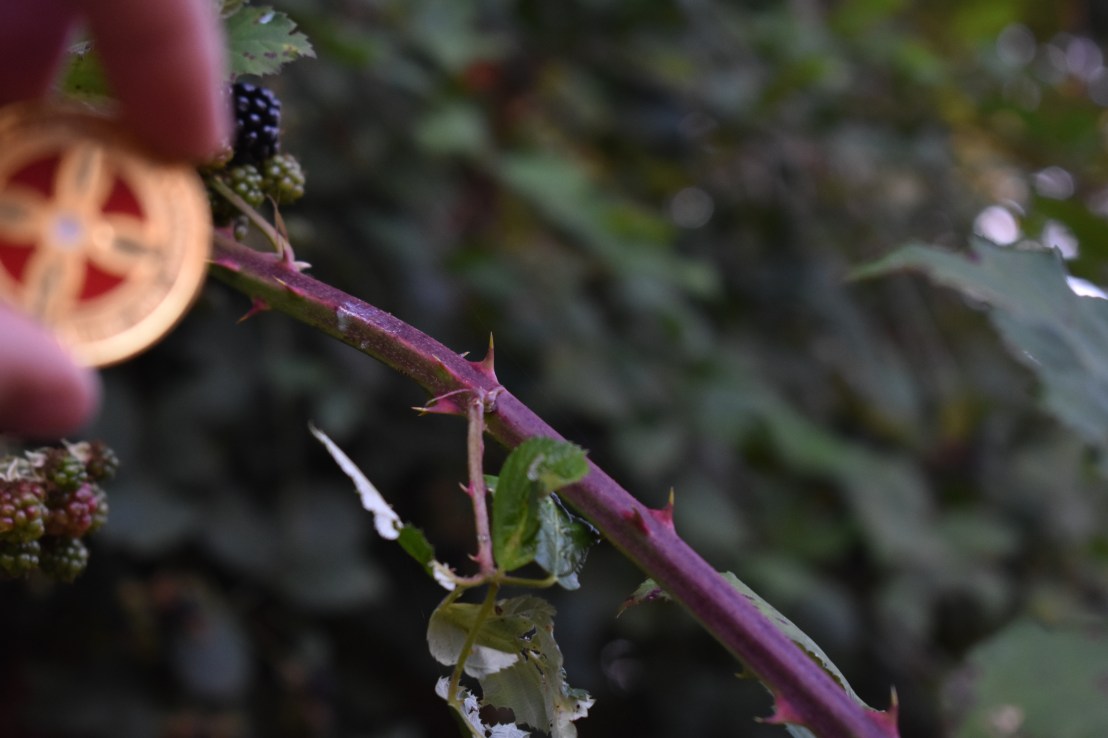
Similarly to leaves stems and braches of plants have adapted to do more than their basic functions. Black berry stems have developed thorns to help protect themselves from animals who try and eat their berries.
Henry Vandersluis AP Bio – Period 1
Similarly to leaves stems and braches of plants have adapted to do more than their basic functions. Black berry stems have developed thorns to help protect themselves from animals who try and eat their berries.
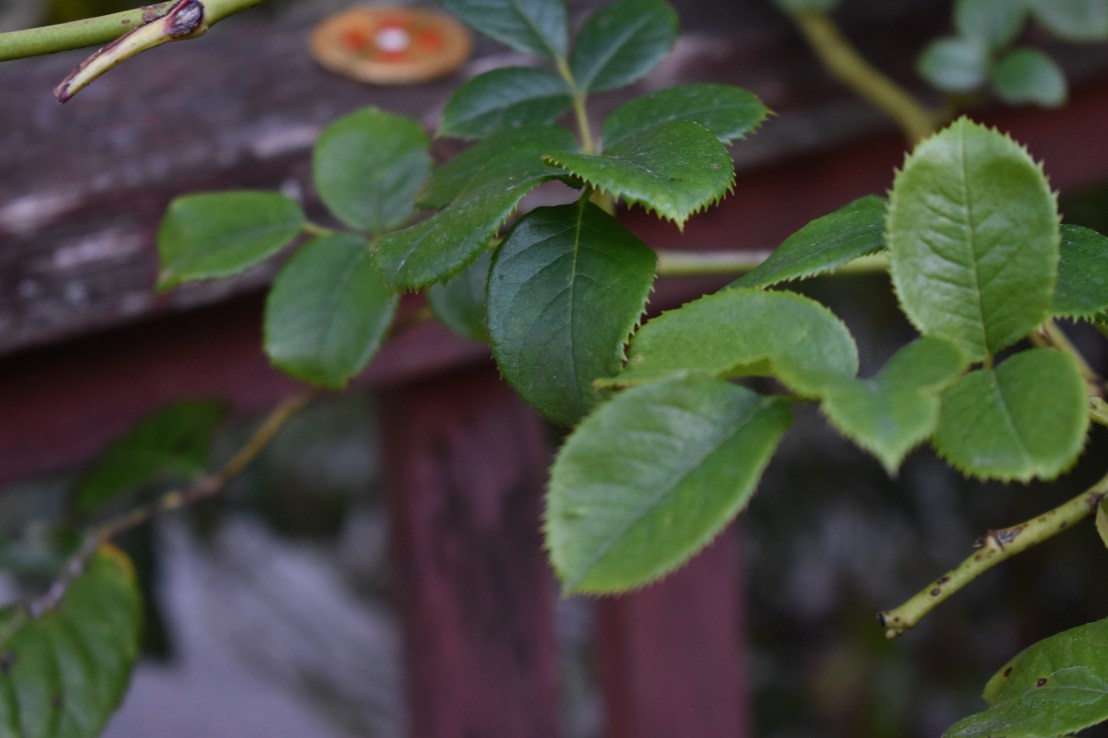
Leaves often adapt to do more than carryout photosynthesis. Many plants have leaves that have developed spines or other defense mechanisms to help protect the plant. Seen here on this rose bush.
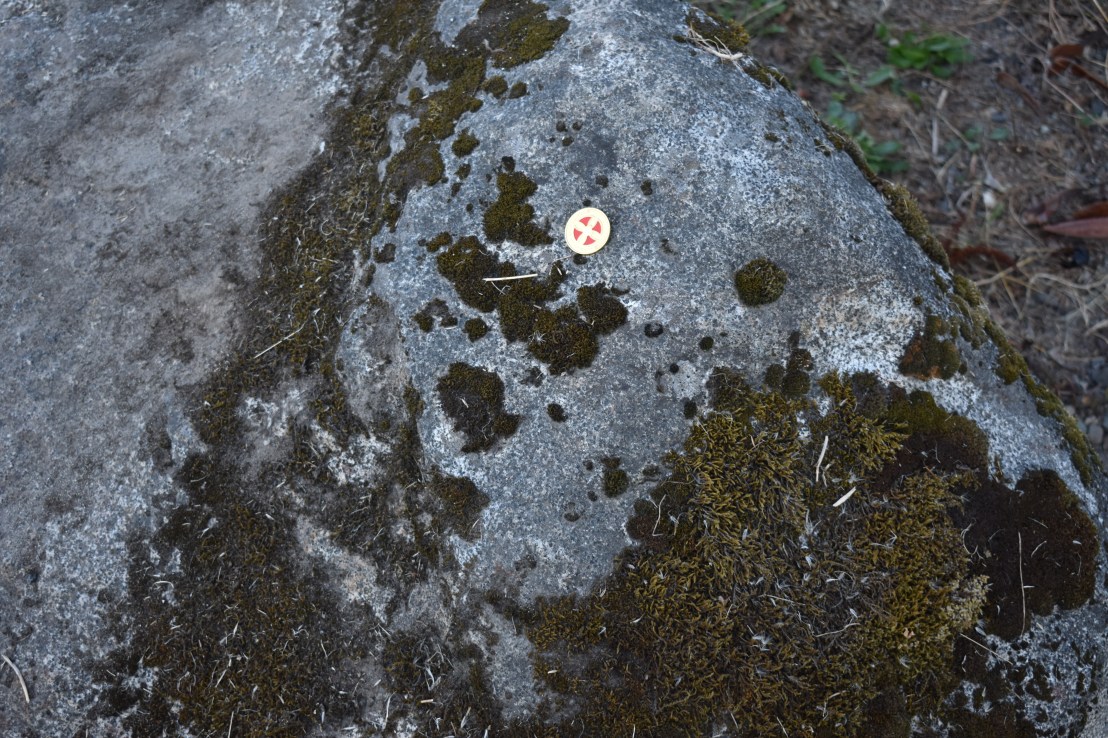
Lichen is a slow-growing plant like composite organism that typically grows on the surface of walls, rocks, and trees. Lichens come in many sizes colors and forms. Lichens are made up of small micro organisms.

Heartwood is the central wood of trees. It is very strong and resistant to decay. The Heartwoods main function is to support the tree. It is formed by old cells in the center of the tree dying.
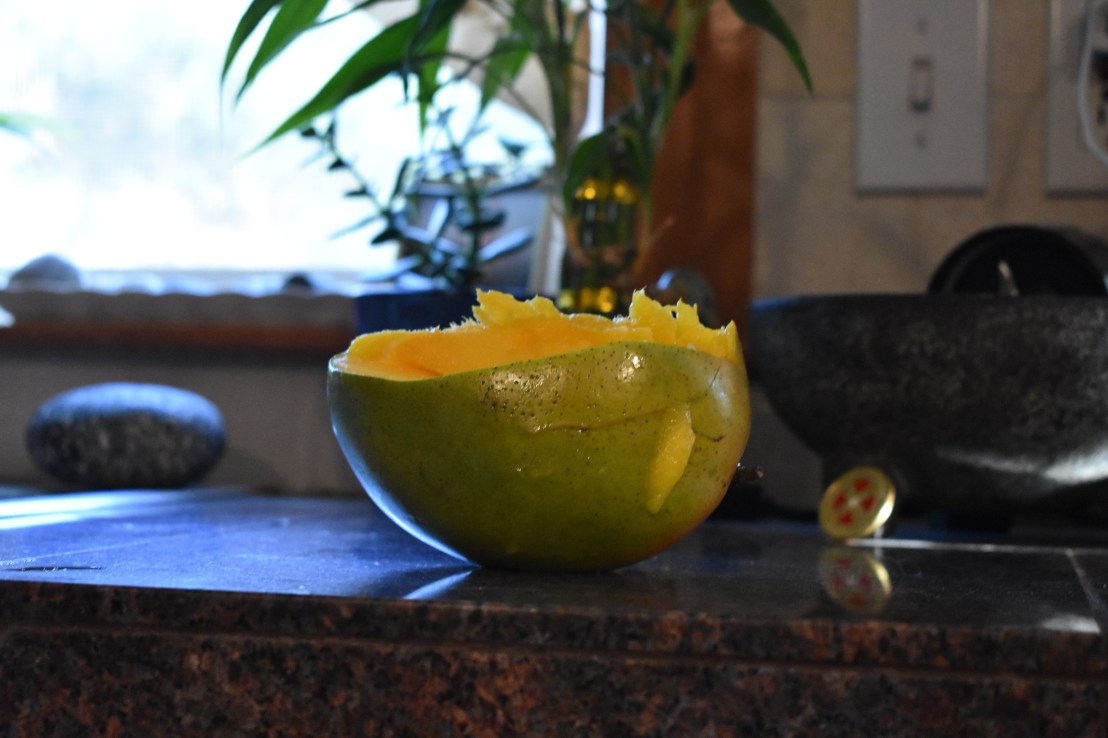
Fleshy fruits are defined as fruits in which the fruit wall is fleshy. Fleshy fruits typically grow from trees or vines. These fruits seeds are spread through animal droppings, falling on the ground etc. Examples of fleshy fruits would be Apples, mangos, and peaches.
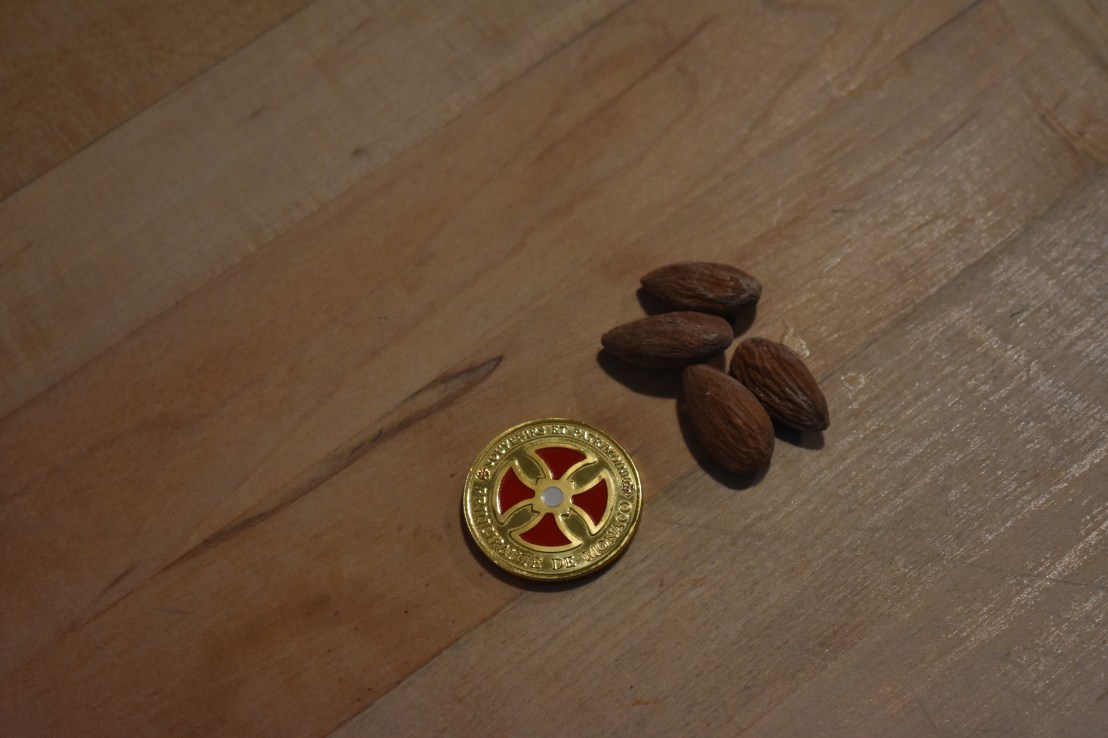
Almonds are an example of dry seeds. They are grown in dry pods and capsules. Dry fruits split when carried off by air and disperse their seeds. Other examples of dry fruits would be acorns and grains.

A frond is a large leaf of a fern. Fronds are responsible for photosynthesis, they produce the nutrients that the fern needs to survive. Fronds also serve a reproductive purpose.
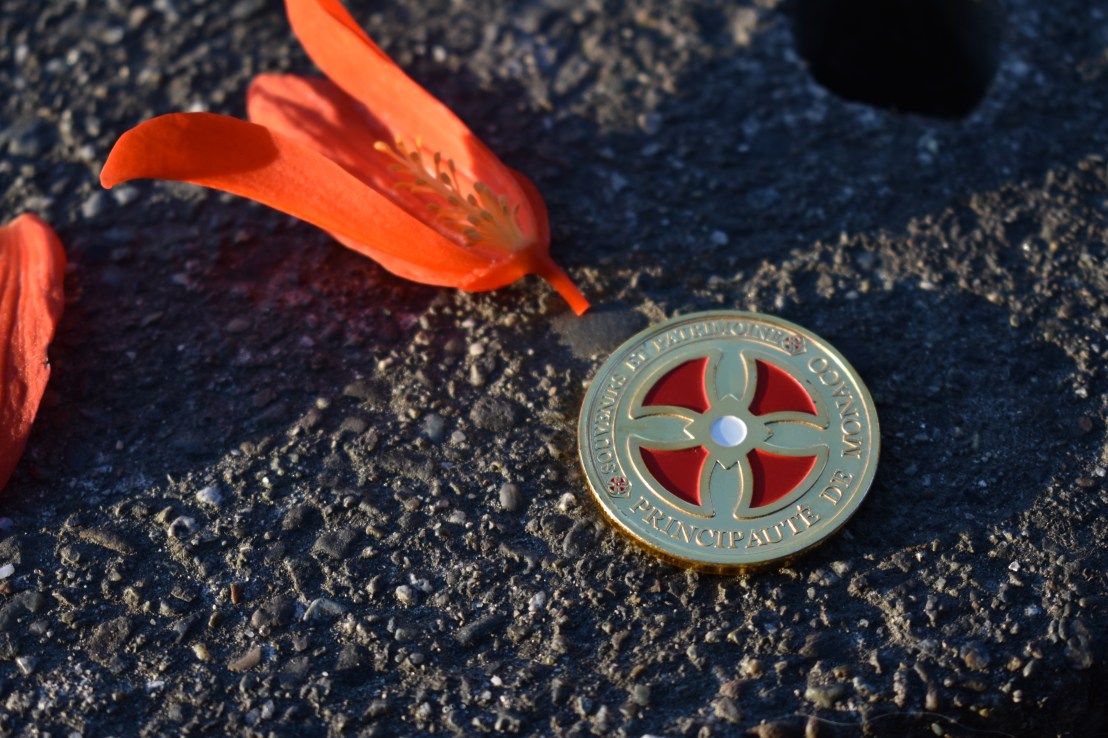
The flower ovary is the female reproductive organ of the flower. It holds the ovules which when fertilized become seeds.
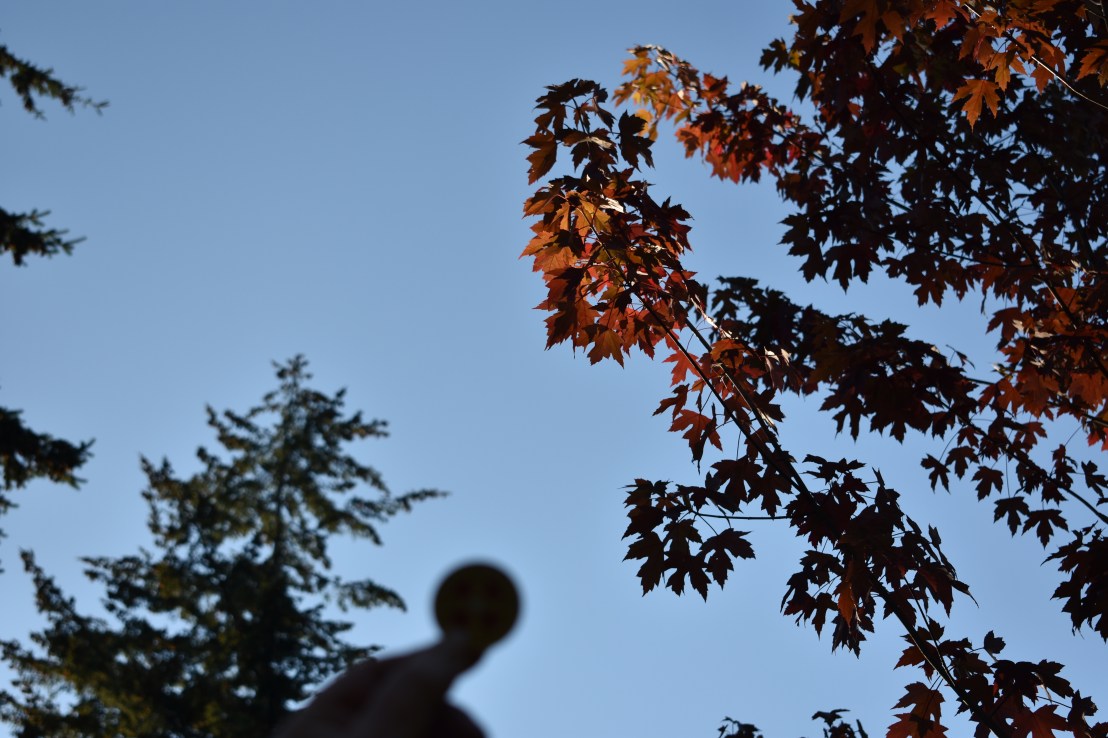
Unlike conifer leaves deciduous leaves fall off in the winter and fall months. The leaves fall off due to the trees effort to conserve water or to better survive winter weather.
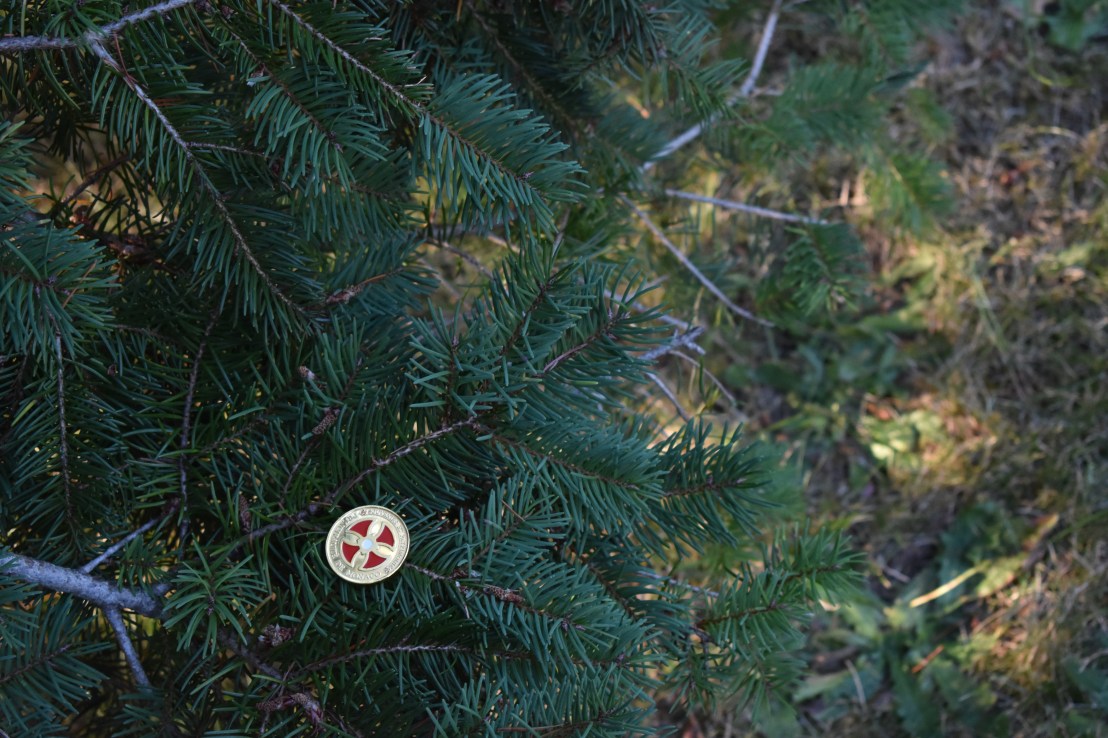
Conifers retain their leaves throughout the year. Conifers have needle shaped leaves unlike deciduous trees. Conifers use their needles to help them retain more water. The needles also have less wind resistance than normal leaves helping trees stay standing during storms.
 henryv ap bio