Category: Uncategorized

Weekly Blog 4

Evolution In a population

How do populations evolve over time?

As Individuals are selected by natural selection genetic makeup of the population changes over time. Each generation has increased fitness as favorable traits become more common. Natural selection is not the only thing that can change a population. There are 5 sources of evolution. Mutation, Gene flow, Non random mating, Genetic drift, and Natural selection

What is the Hardy-Weinberg equilibrium?See the source image

The Hardy-Weinberg equilibrium describes a non evolving population that preserves allele frequencies. Why do we use the Hardy-Weinberg equilibrium if it doesn’t occur in nature? It allows us to have a baseline to compare populations with. We can use it to test genotype frequency and we can test to see how that population compares with the Hardy-Weinberg equilibrium.


Weekly Blog 2

Descent with Modification

Learned about the story leading up to Darwin’s theory of evolution. How is it that for so long so many people assumed everything was just created how it was at that time currently. How long did it take Darwin to fully come up with his theory? Are the methods of classification that scientists used back then still used today?

In terms of understanding evolution. This story helps to create a clearer picture of how evolution actually occurs overtime and how our understanding of it has changed overtime.

Reflective Response 1

Natural Selection

My Biggest take away from this week was that in many circumstances species in isolated environments often evolved from one common species, for example the finches we learned about. One species evolved into 13 due to natural selection because of very diversified environments and food sources. I wish I knew more about how these changes actually came about. What specifically causes such extreme deviations in terms of physical attributes and traits. But that relates more to DNA coding and genes as a whole. I know that these different traits are caused by mutations, but what specifically causes those mutations. How is it that the genes of one animal can be so different than that of the generation before.  Another important aspect that I learned about natural selection and evolution as a whole is that it doesn’t have to take millions of years for a species to evolve. As demonstrated by the finches, they were able to be selected in a single generation after a single endangering event. The species became a more predominately large beaked group after the smaller beaked birds had a food shortage and then became a smaller beaked group after their food became more abundant and the larger beaked birds less abundant.

Works Cited
“Biology Forum | Biology-Online Dictionary, Blog & Forum -.” Biology Online, http://www.biology-online.org/2/11_natural_selection.htm.


Seed Dispersal

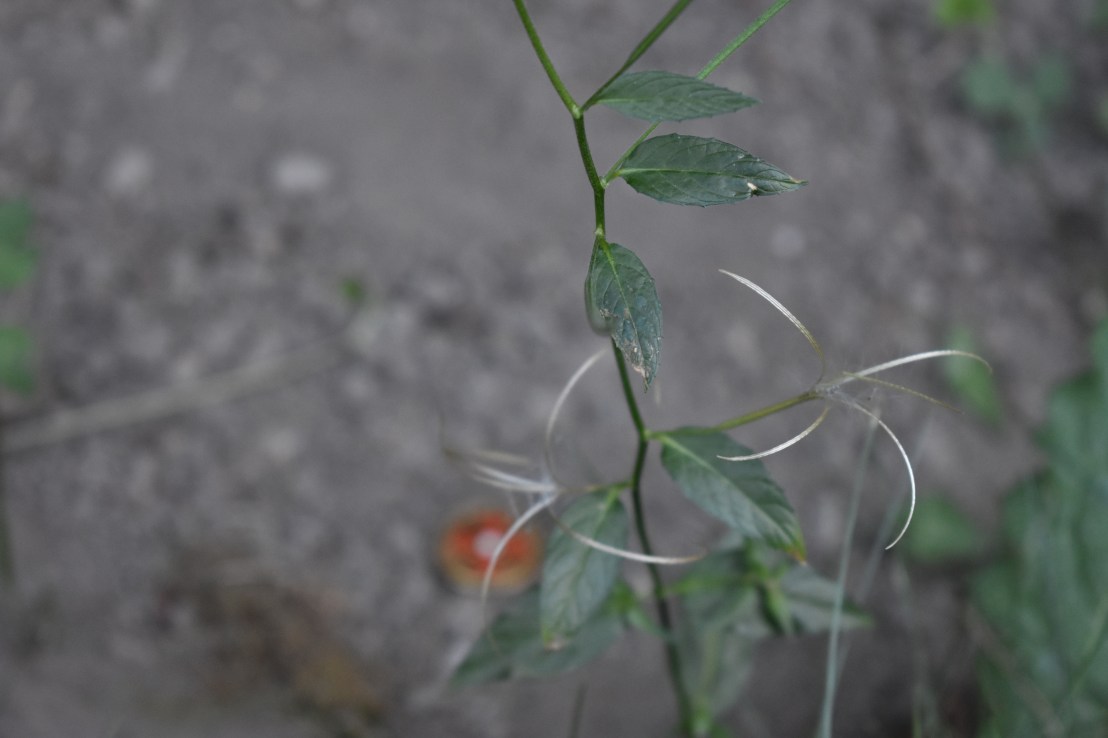
DSC_0507Seed dispersal is when seeds are moved or transported away from the parent plant. This helps the species spread and thrive. Because plants themselves cannot move the rely on outside factors to help them spread.
Pollen

DSC_0547

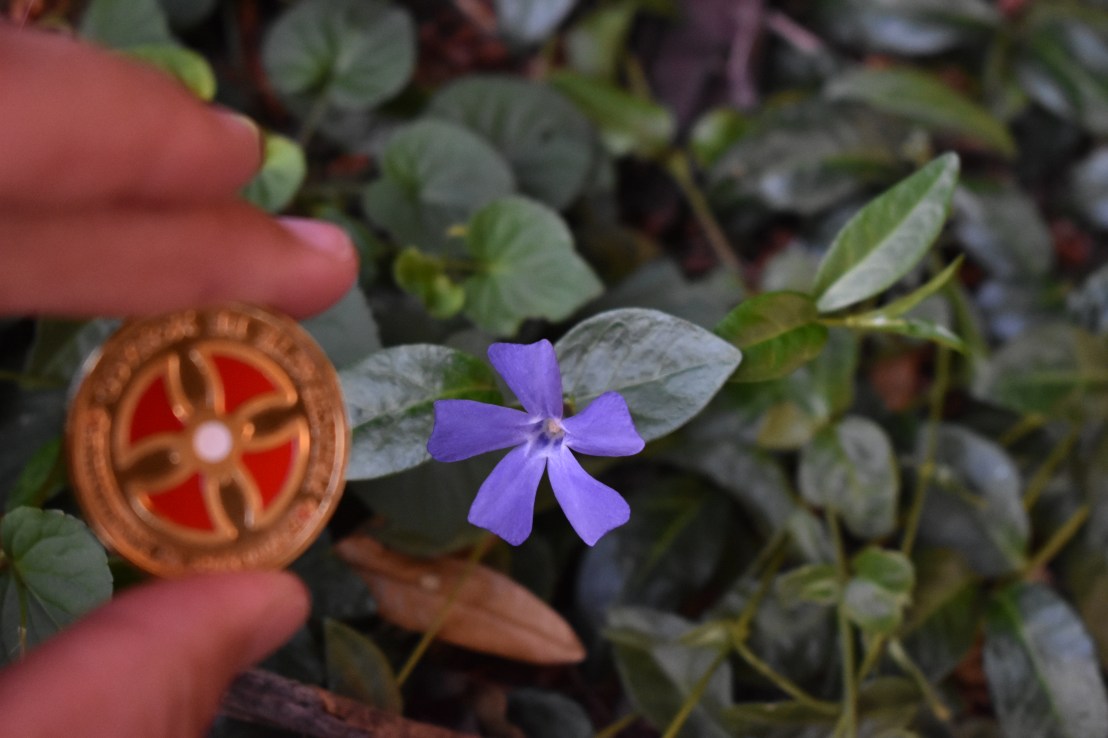
Pollen is a yellow powdery substance that is released by the male plant reproductive organ. The pollen fertilizes the female ovule. Pollen is typically transported by insects, wind , or other animals.

Pine cone-Female

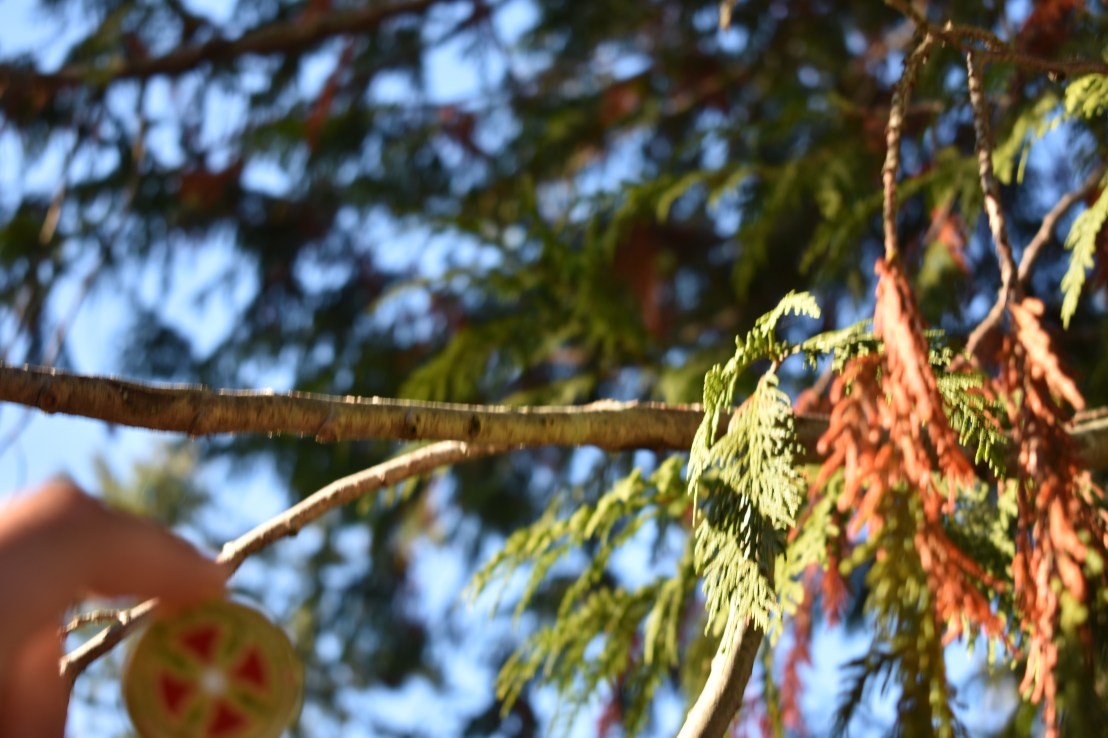
DSC_0518

Female pine cones act as a trees female reproductive organ. Female pinecones are lower on the trees than male ones so that when pollen is released it reaches the female pinecone more easily. Female pinecones have loose scales to help catch the pollen.